- Home
- Global IP & Masked IP Address
- IP Masking Solutions
- How to Use Custom HTTP and SOCK Global IP in Multilogin
How to Use Custom HTTP and SOCK Global IPs in Multilogin
Author Chloe P (Updated on June 12, 2026) Updated on June 12, 2026
Before You Begin
First, please make sure you have the following details (if not, please ask your global IP provider):
- Type of global IP (HTTP, HTTPS, SOCKS5)
- IP address or hostname of the global IP
- Port of the global IP
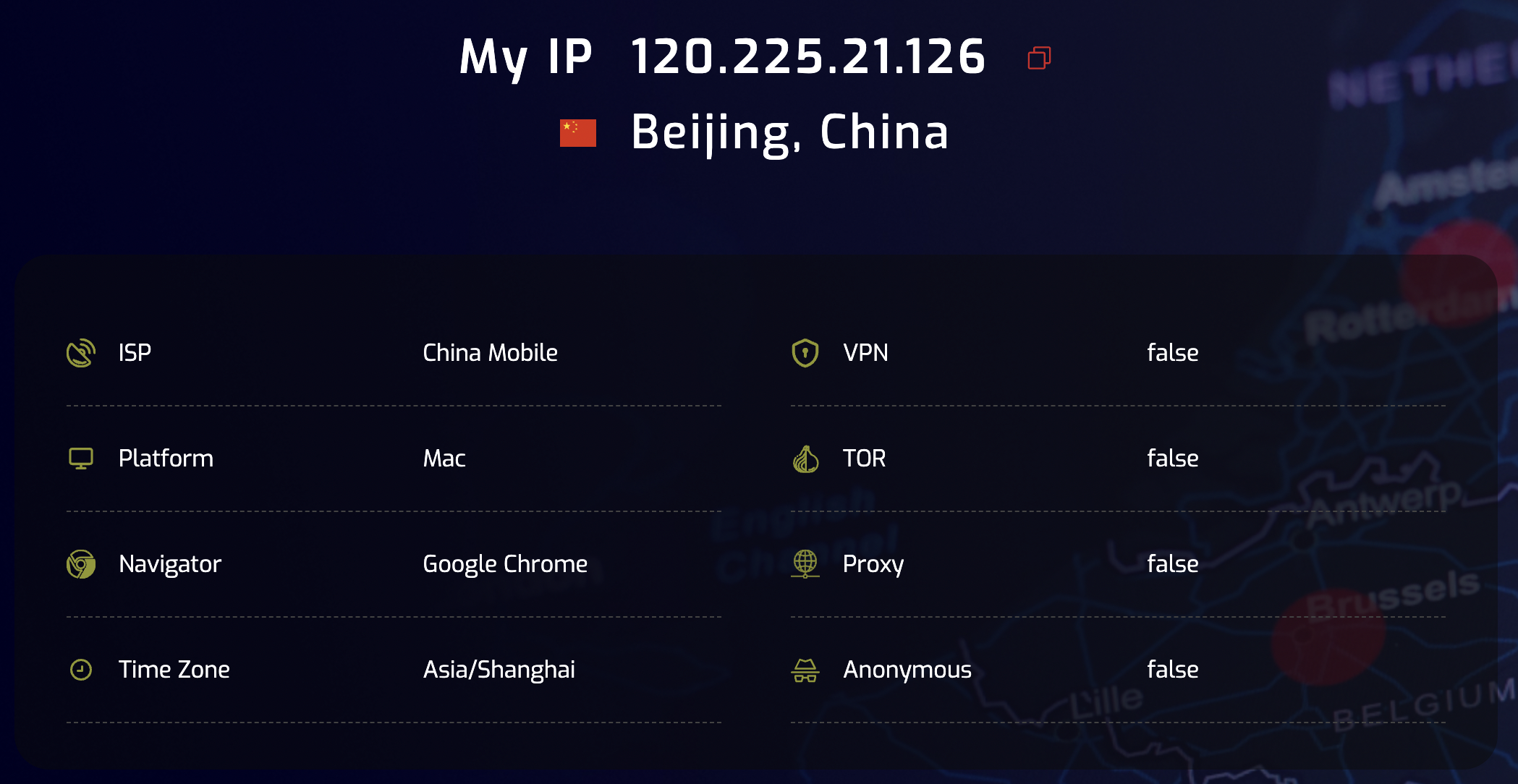
Next, determine whether your global IP is verified via password or IP:
- Password verification: Make sure your global IP details include a username and password
- IP authentication: Make sure your local IP is whitelisted in the global IP provider's dashboard
How to Use a Custom Global IP
Regular Configuration File
- Open your profile settings and find the 'Global IP' section
- Select 'Custom' as the Global IP type
- Choose a protocol (HTTP, HTTPS, or SOCKS5)
- Enter the Global IP details in IP:port:login:password or IP:port format
IP:port:login:password
IP:port
- The system will automatically check the Global IP: 'Global IP check passed' means Multilogin has successfully connected to your Global IP and retrieved the necessary IP-related data; 'Global IP check failed' means Multilogin could not connect to your Global IP — see this article for reasons: How to fix profile startup or Global IP connection issues
- 'Global IP check passed' means Multilogin has successfully connected to your Global IP and retrieved the necessary IP-related data
- 'Global IP check failed' means Multilogin could not connect to your Global IP — see this article for reasons: How to fix profile startup or Global IP connection issues
Quick Configuration File
A global IP
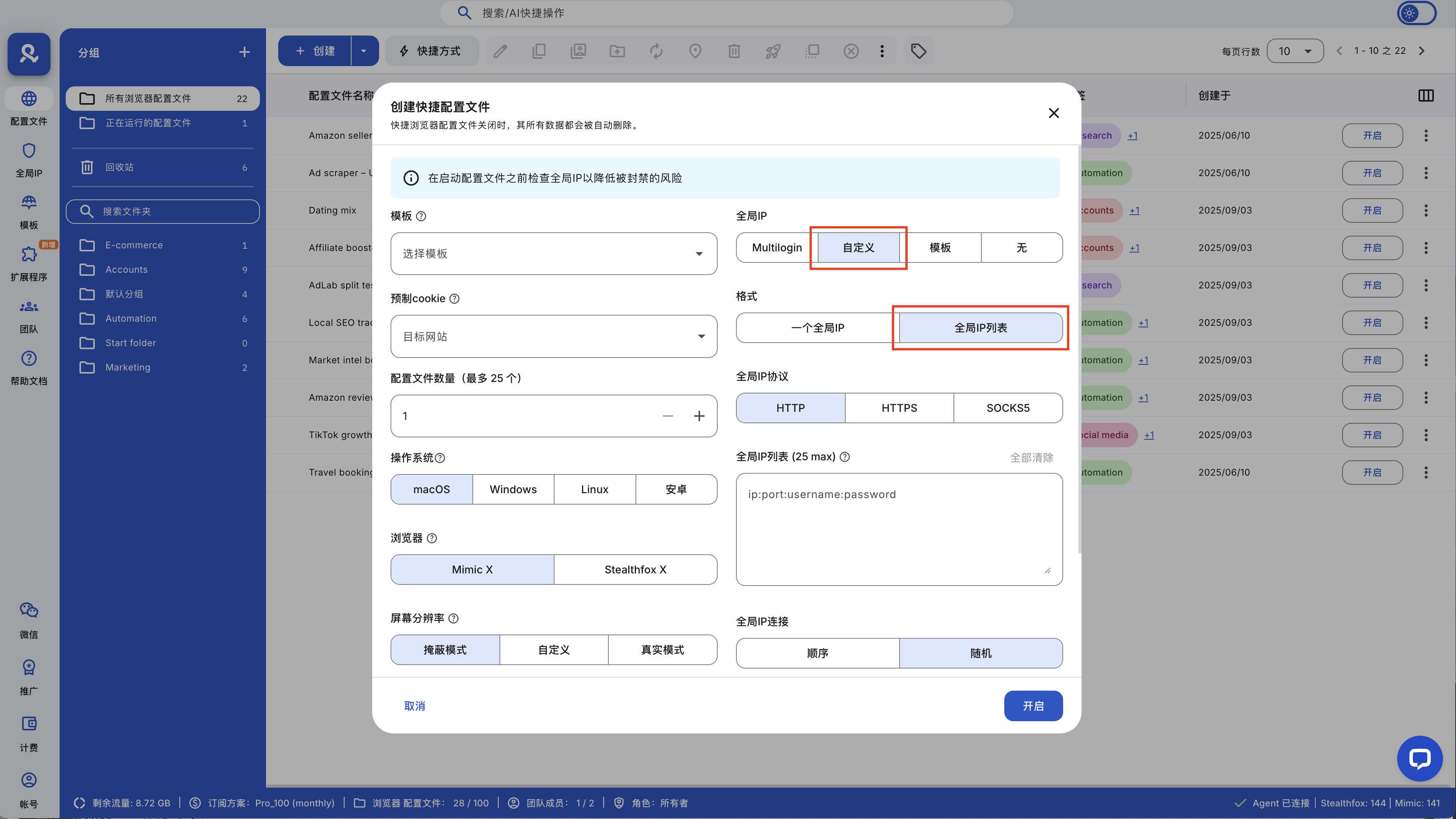
- Click 'Quick' on the main dashboard
- In the 'Global IP' section, select 'Custom'
- In the 'Format' section, select 'One Global IP'
- Choose a protocol (HTTP, HTTPS, or SOCKS5)
- Enter your global IP details in the IP:port:login:password or IP:port format
IP:port:login:password
IP:port
Global IP List
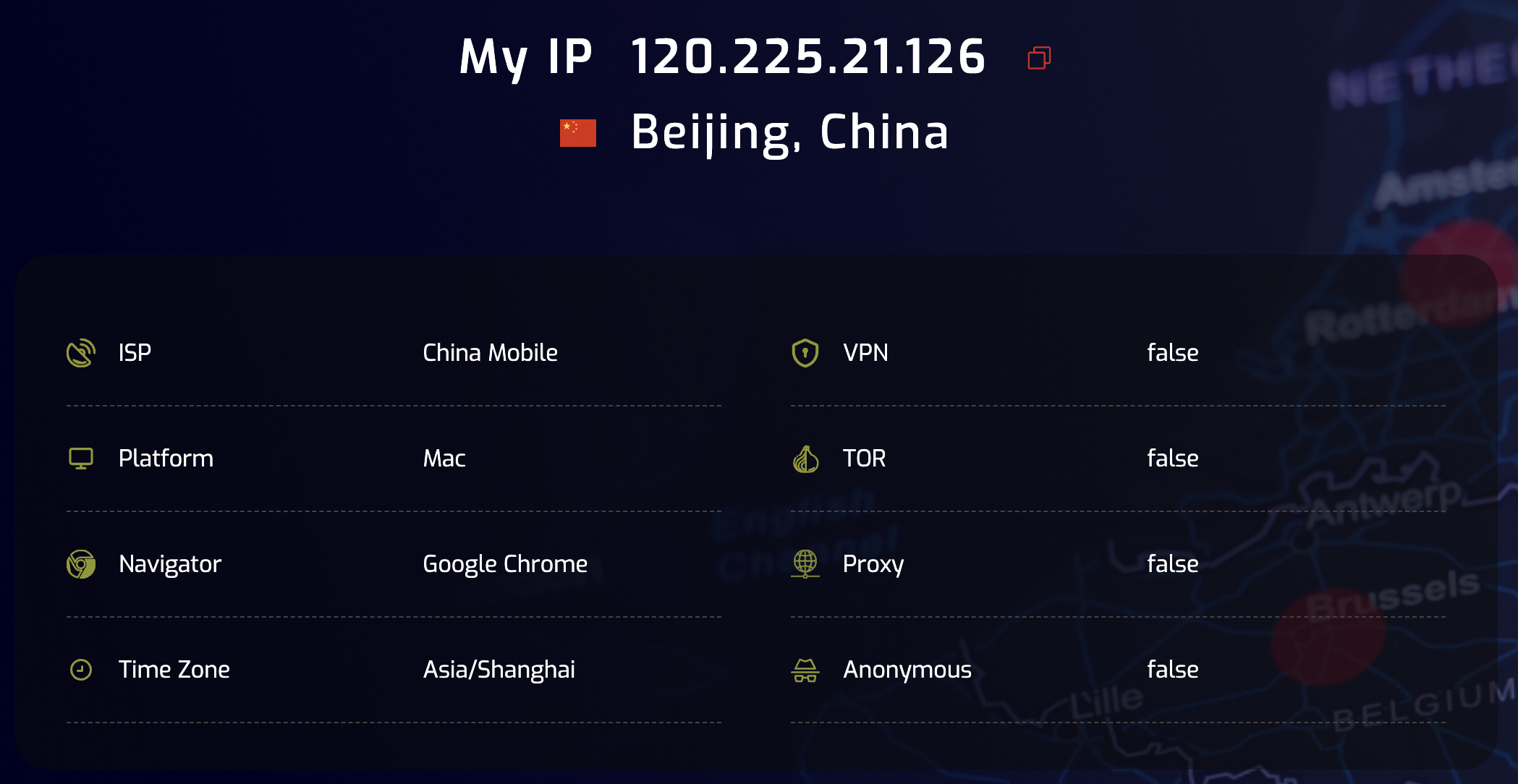
- Click 'Quick' on the main dashboard
- In the 'Global IP' section, select 'Custom'
- In the 'Format' section, select 'Global IP List'
- Choose the protocol (HTTP, HTTPS, or SOCKS5)
- Add up to 25 global IPs in the format IP:port or IP:port:login:password
IP:port
IP:port:login:password
- Choose how the system uses the global IPs: Sequential: top to bottom Random: in random order, without repetition
- Sequential: top to bottom
- Random: in random order, without repetition
How to Check Your IP
Ready to check if your profile fingerprint is secure? Checking your fingerprint is very simple, so let's get started!

Use these tools to check your browser fingerprint:
- Whoer IP: Check your IP address and make sure it matches your expected location (default Multilogin checker)
- MaxMind: Get the most accurate IP geolocation details
- Pixelscan: Obtain detailed information about your browser fingerprint
- BrowserLeaks: Detect any fingerprint inconsistencies that might reveal your real identity
Can websites see that I visited the "Whoer IP" page or other checkers?
No. If you are worried that websites might read their cookies and detect that you are a Multilogin user, we have good news for you!
Websites can only access cookies associated with their own domain. In other words, Multilogin cookies are visible only to Multilogin, while Facebook only recognizes its own cookies. This principle is called the "Same-Origin Policy" (SOP), a fundamental concept dating back to the earliest browsers.

The method to check fingerprints is as follows:
- Open your Multilogin profile
- Use any of the tools mentioned above to test your fingerprint
- Look for inconsistencies in IP address, browser version, or operating system
- Adjust settings in Multilogin to fix any mismatches
In this article
- Before starting
- How to use a custom global IP
- How to check your IP
Multilogin Community
Stay informed, share your thoughts, and interact with others!
Read more related content
Related Articles
- How to use NodeMaven global IP to set up Multilogin
- How to use Multilogin under 4G/5G connection