- Home
- Global IP & Masked IP Address
- Basics of IP Masking
- How to Test Global IP in Multilogin
How to Test Global IP in Multilogin
Author Yelena V (Updated on March 4, 2026)
Updated on March 4, 2026
According to our users, most profile issues are caused by global IP failures. But how can you determine whether the problem lies with Multilogin or your global IP?
Answer: Check your global IP connection.
Testing your global IP outside of the application can help identify the root cause of the problem:
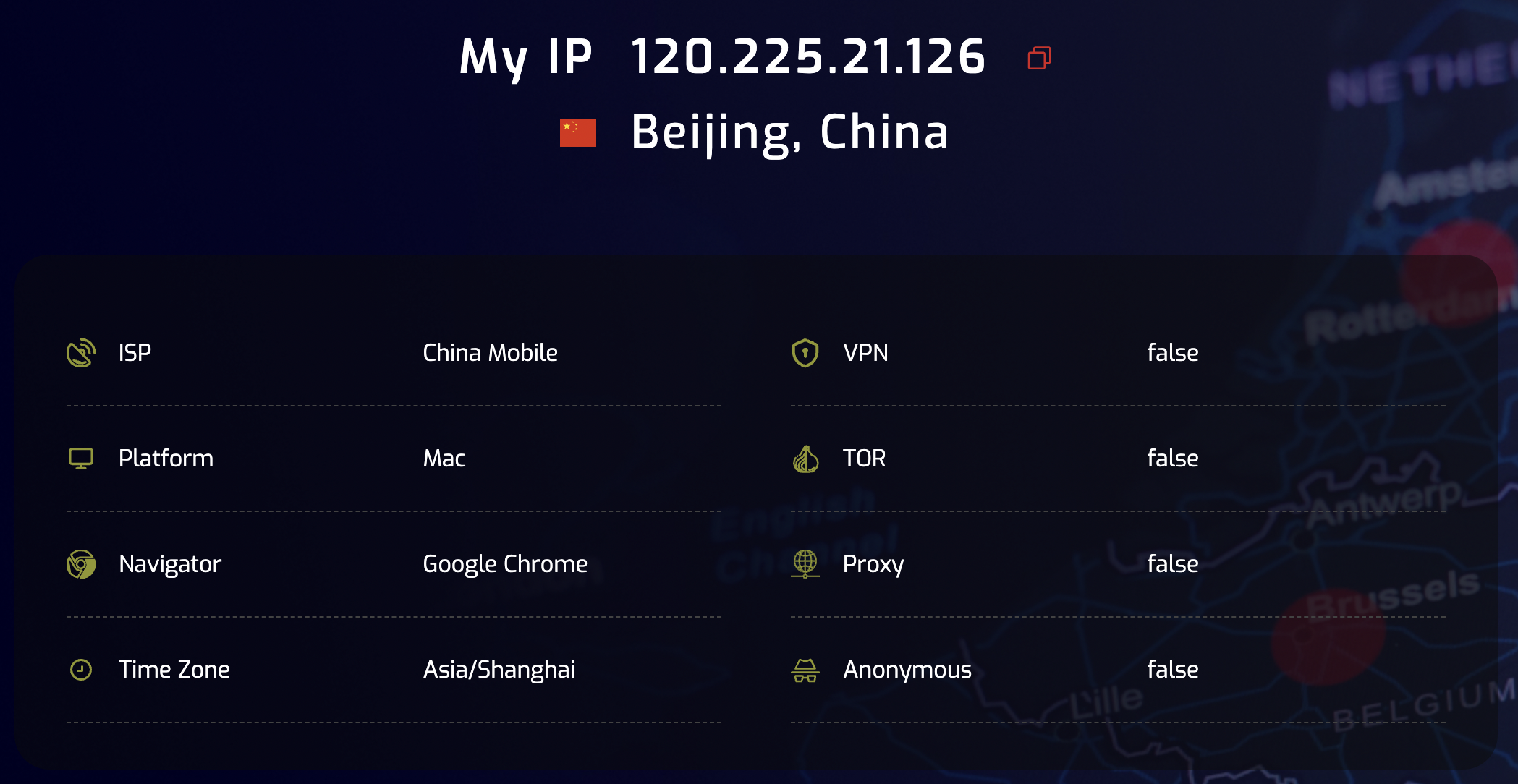
- If the global IP works outside of Multilogin, the problem may be with the application
- If the global IP doesn’t work anywhere, then the problem is with the global IP itself
In this article, we will guide you through three simple options to test your global IP and identify where the problem is. You will learn how to test your global IP both inside and outside of Multilogin.
Manually setting your system time may cause connection issues. In this case, synchronize your time zone with the internet to resolve the problem. This simple step usually restores normal functionality!
Option 1: Use Multilogin to Check Global IP
Check Global IP Traffic
Multilogin Global IP
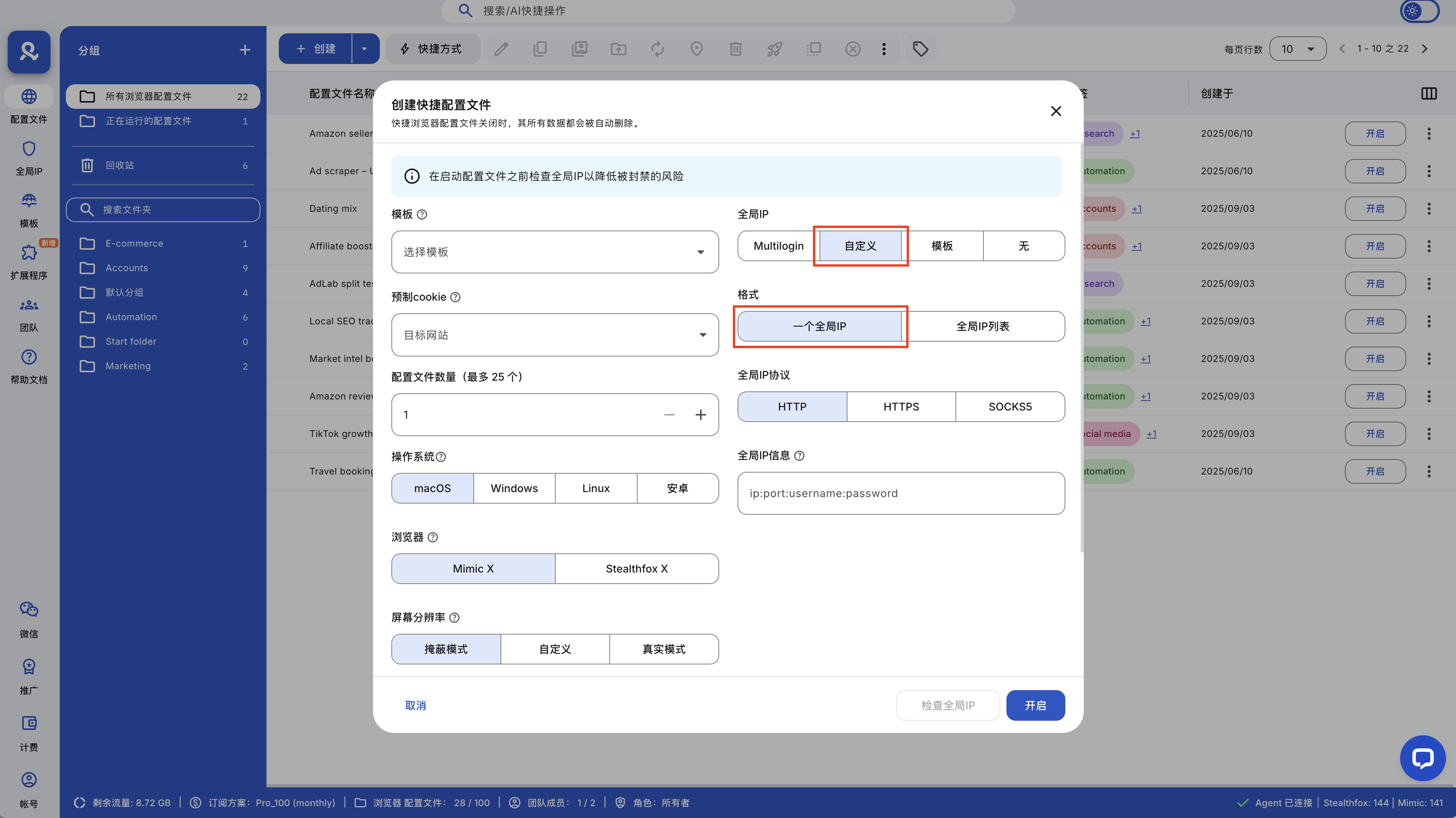
First, check your Multilogin global IP traffic. If it is used up, please recharge to continue.
Custom Global IP
Contact your global IP provider to check the current traffic and recharge if necessary.
Check Global IP Connection Status
If your global IP has enough traffic, test whether it is online:
Select a profile from the list, then click "Check Global IP" in the top menu. If you are using a Multilogin global IP, you can also click "Refresh IP" to get a new IP address from the same IP pool.
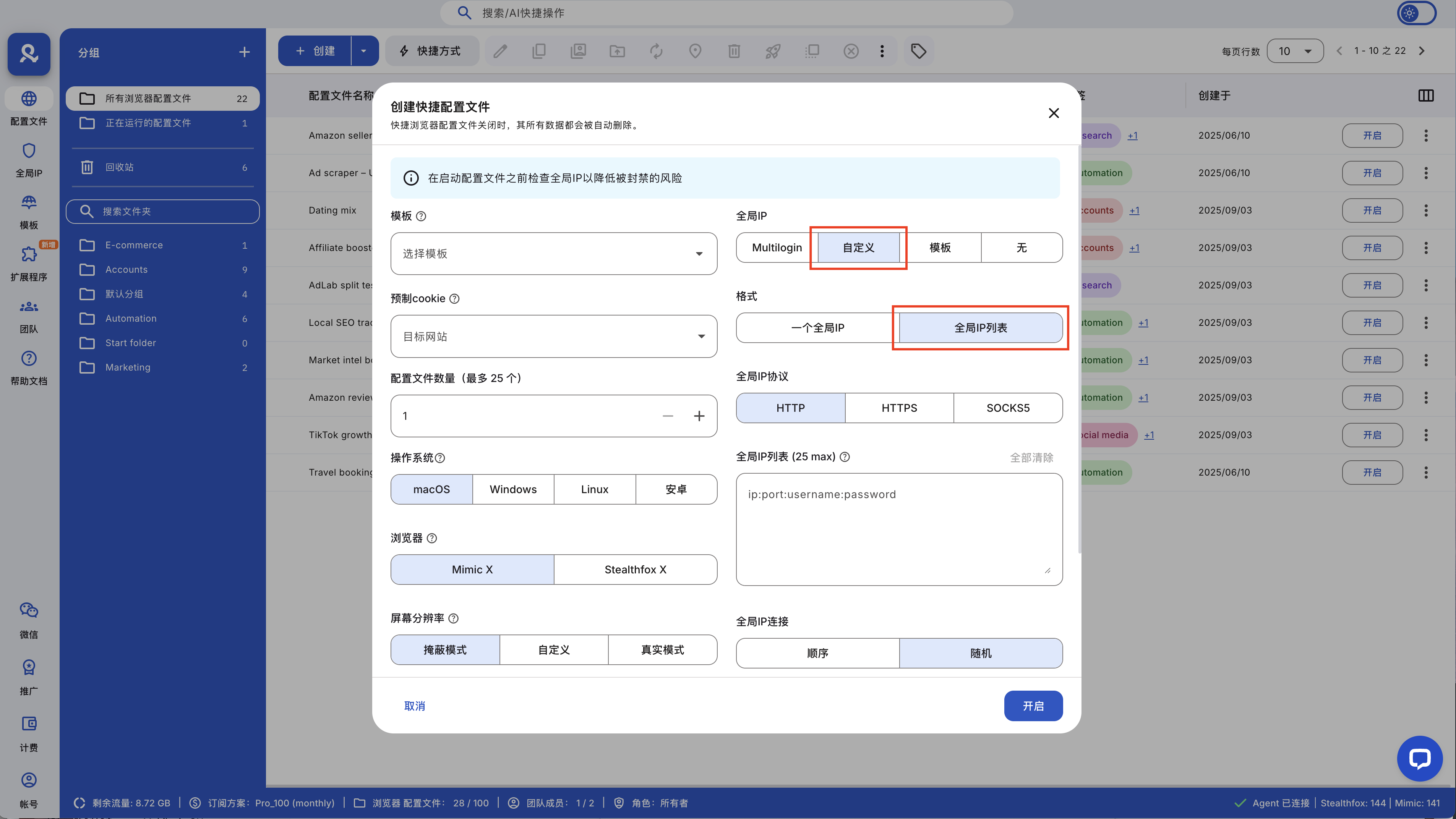
These options can also be found in the right-click menu.
The results mean the following:
- Global IP check passed: Multilogin is connected to your global IP and has obtained everything it needs.
- Global IP check failed: Find the root cause; your global IP is offline – please change it to continue working in this profile or get a new IP.
Option 2: Use a Browser Extension to Check the Global IP
Want another way to check if your global IP is working properly? Use a browser extension to test it in regular Firefox and Chrome browsers:
- If the global IP does not work in a regular browser (cannot load any pages), contact your global IP provider for help.
- If the global IP works in a regular browser but does not work in Multilogin, inform our support team so we can investigate!

If your global IP does not work in regular Chrome or Firefox browsers, it will not work in Multilogin either.
Don’t worry — your global IP provider can help you! They might:
- Fix server-side issues
- Provide you with a new global IP
- Adjust some settings to make things run smoothly
Contact them, and they will help you resolve the issue!
Option 3: Check the global IP using local settings
Finally, you can check it by adding the global IP to your device's network settings. Then, try loading a website in your browser. The next steps are as follows:
- If the global IP doesn't work (you can't load any pages), please contact your global IP provider for help
- If the global IP works well on your device but not in Multilogin, please contact our support team – we are here to support you!
Windows
- Open the Start menu in the lower-left corner, then click the gear icon.
- In the 'Windows Settings' menu, go to 'Network & Internet'
- Click 'Global IP' in the left panel to access Global IP settings


- Set up Global IP:
Automated setup: Enable the 'Use setup script' option – you will get the PAC file path in the 'Script address' section.
Manual setup: Under 'Manual Global IP settings', enable the 'Use Global IP server' option, enter your Global IP details in the 'Address' and 'Port' sections, and enable 'Do not use Global IP server for local (intranet) addresses.'
- Automated setup: Enable the 'Use setup script' option – you will get the PAC file path in the 'Script address' section.
- Manual setup: Under 'Manual Global IP settings', enable the 'Use Global IP server' option, enter your Global IP details in the 'Address' and 'Port' sections, and enable 'Do not use Global IP server for local (intranet) addresses.'
- Under 'Manual Global IP settings', enable 'Use Global IP server' option
- Enter your Global IP details in the 'Address' and 'Port' sections
- Enable 'Do not use Global IP server for local (intranet) addresses'
Ensure the PAC file is saved on your computer and has the full path.
macOS
- Open System Settings and enter 'Global IP' in the search bar
- Click 'Global IP' in the search results to view the list of global IP protocols
- Set Global IP:
Automatic setup: Enable the 'Automatic Global IP Configuration' option – you will get the PAC file path in the 'URL' section
Manual setup: Enable the 'Web Global IP (HTTP)' or 'Secure Web Global IP (HTTPS)' option and input your global IP details in the 'Server' and 'Port' sections
- Automatic setup: Enable the 'Automatic Global IP Configuration' option – you will get the PAC file path in the 'URL' section
- Manual setup: Enable the 'Web Global IP (HTTP)' or 'Secure Web Global IP (HTTPS)' option and input your global IP details in the 'Server' and 'Port' sections
- Enable the 'Web Global IP (HTTP)' or 'Secure Web Global IP (HTTPS)' option
- Input your global IP details in the 'Server' and 'Port' sections
Ensure that the PAC file is saved on your computer and has a complete path.
In this article
- Option 1: Use Multilogin to check the global IP
- Option 2: Use a browser extension to check the global IP
- Option 3: Use local settings to check the global IP
Multilogin Community
Stay informed, share your thoughts, and interact with others!
Read more related content
Related Articles
- How to choose the correct type of global IP
- FAQs about global IP and IP blocking
- How global IP and Multilogin change the content detected by websites
- What happens if you do not use a global IP in Multilogin